Lung cancer is one of the most common oncological diseases. At the same time, modern medicine approaches its diagnosis and treatment very differently today than it did in the past. Management depends not only on the stage of disease, but also on the biological and molecular characteristics of the tumor.
What Is Lung Cancer?
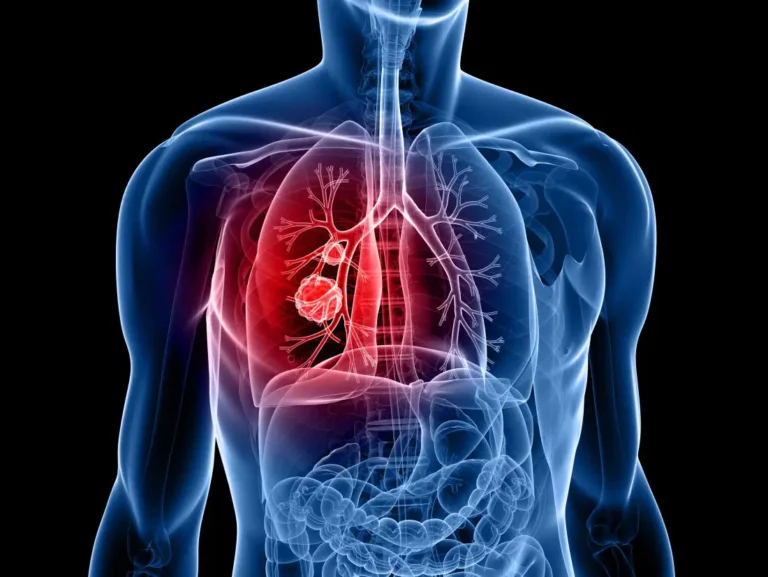
Lung carcinoma is a malignant tumor that develops in the lungs and, in certain cases, may spread to other organs of the body. The disease arises as a result of DNA damage in the cells of the respiratory tract, which may be associated with both genetic factors and environmental exposure.
Symptoms of Lung Cancer
The symptoms of lung cancer vary from person to person and often develop gradually. The most common manifestations include:
- persistent cough;
- coughing up blood;
- shortness of breath or chest pain;
- general weakness;
- unexpected weight loss.
Risk Factors
Several factors are known to increase the risk of lung cancer, including:
- tobacco use;
- radon exposure;
- asbestos and nickel exposure;
- air pollution;
- a family history of lung cancer.
Early and Advanced Stages
Early-stage lung cancer is localized to the lung and is not characterized by the presence of metastases. At this stage, treatment is often based on a combination of chemotherapy and radiotherapy, where radiotherapy is directed at the specific tumor focus and chemotherapy acts systemically throughout the body.
Advanced-stage lung cancer means that the disease has spread to other organs. Metastases are most commonly found in the liver, bones and brain. At this stage, in addition to conventional chemotherapy and radiotherapy, modern approaches such as targeted therapy and immunotherapy are used.
Modern Treatment Methods
Targeted therapy is used when a specific genetic mutation is identified in the tumor. The medication acts precisely on tumor cells and causes less damage to healthy tissue. Immunotherapy works by a different mechanism: it helps the immune system recognize and destroy cancer cells.
Targeted therapy is generally less toxic. Side effects may include fatigue, itching or mild diarrhea. In the case of immunotherapy, inflammatory reactions may sometimes develop, although in most cases they can be controlled effectively and promptly.
Molecular and Genetic Diagnostics in Lung Cancer
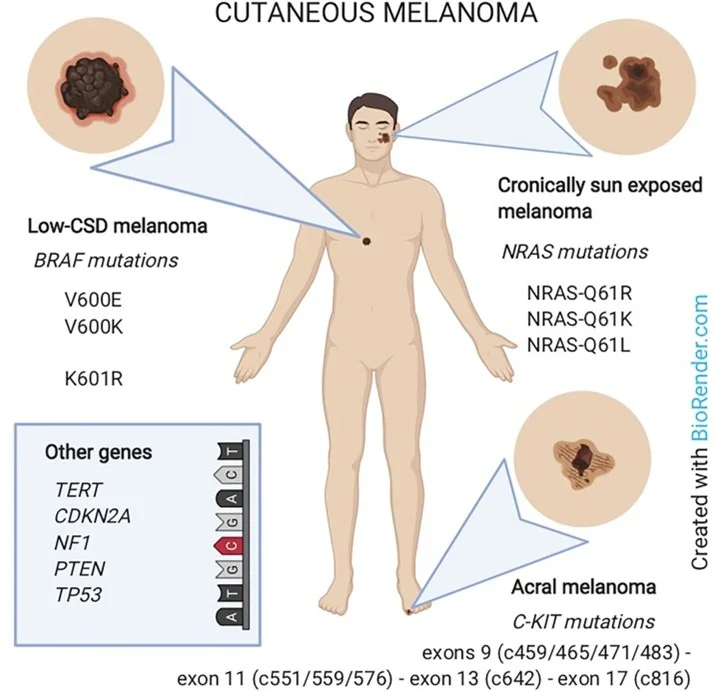
To select personalized treatment, molecular and genetic testing of tumor tissue is essential. In lung cancer, mutations in the EGFR gene are among the most common findings, and changes involving KRAS and ALK are also clinically important.
These alterations are identified using modern methods such as PCR (polymerase chain reaction) and NGS (next-generation sequencing).
What This Means for the Patient
Today, lung cancer treatment is no longer uniform for every patient. Correct assessment of the diagnosis and molecular testing make it possible to choose a more effective and individualized therapeutic strategy. Modern medicine offers patients more options than ever before.